

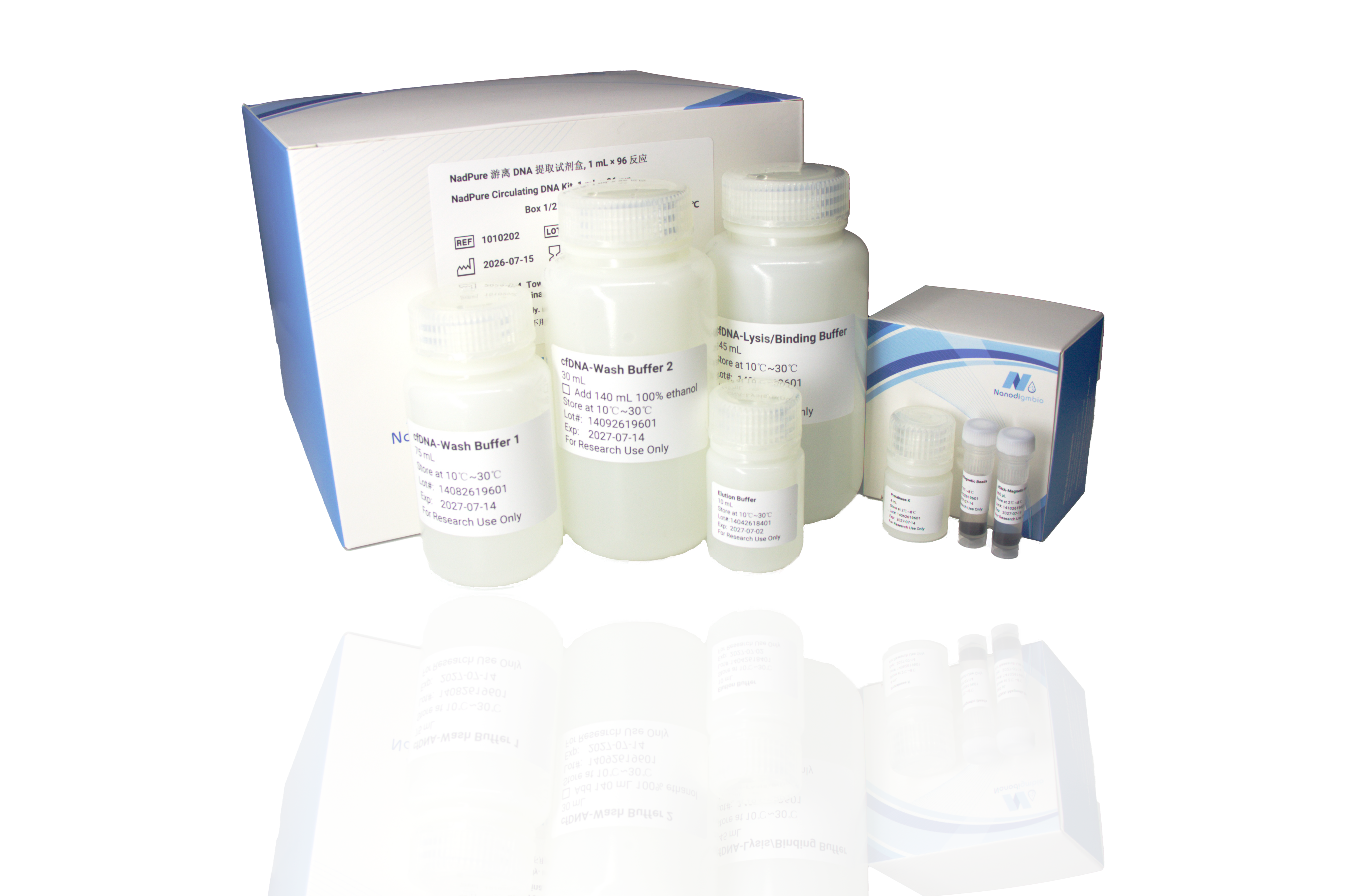
NadPure Circulating DNA Kit
#1010202
The kit provides a safe and convenient extraction workflow without the use of toxic reagents such as phenol or chloroform, or the need for high-temperature heating. It effectively removes proteins, inorganic salts, and other contaminants while maintaining high nucleic acid recovery.
- Product Details
- Kit Content
- FAQ
- Ordering Information
- Resources
Feature
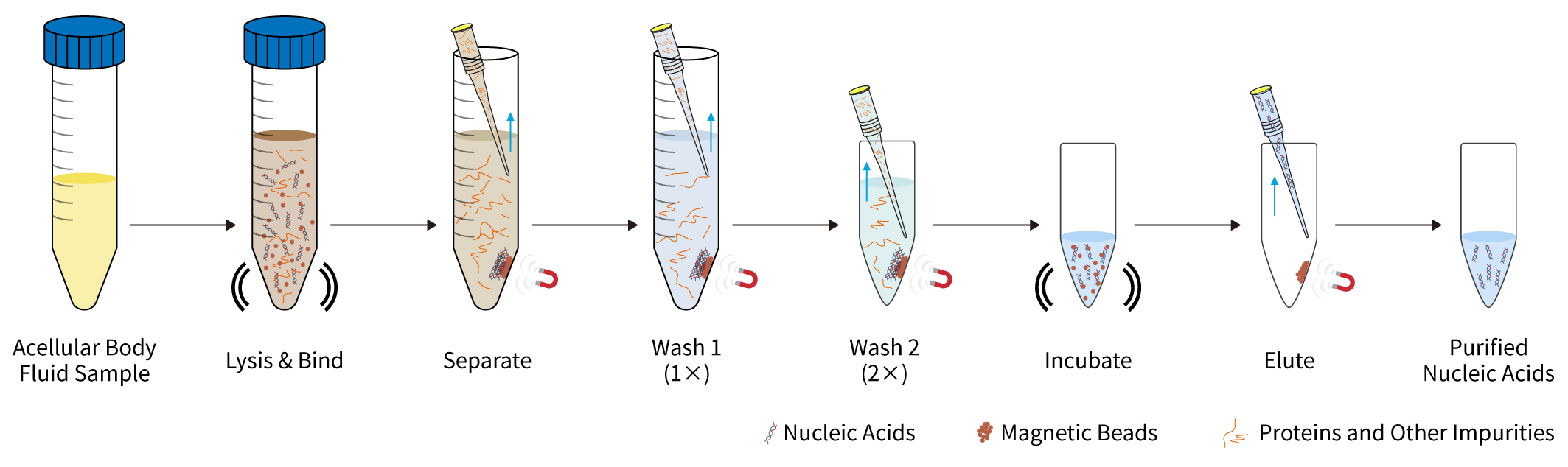
Workflow
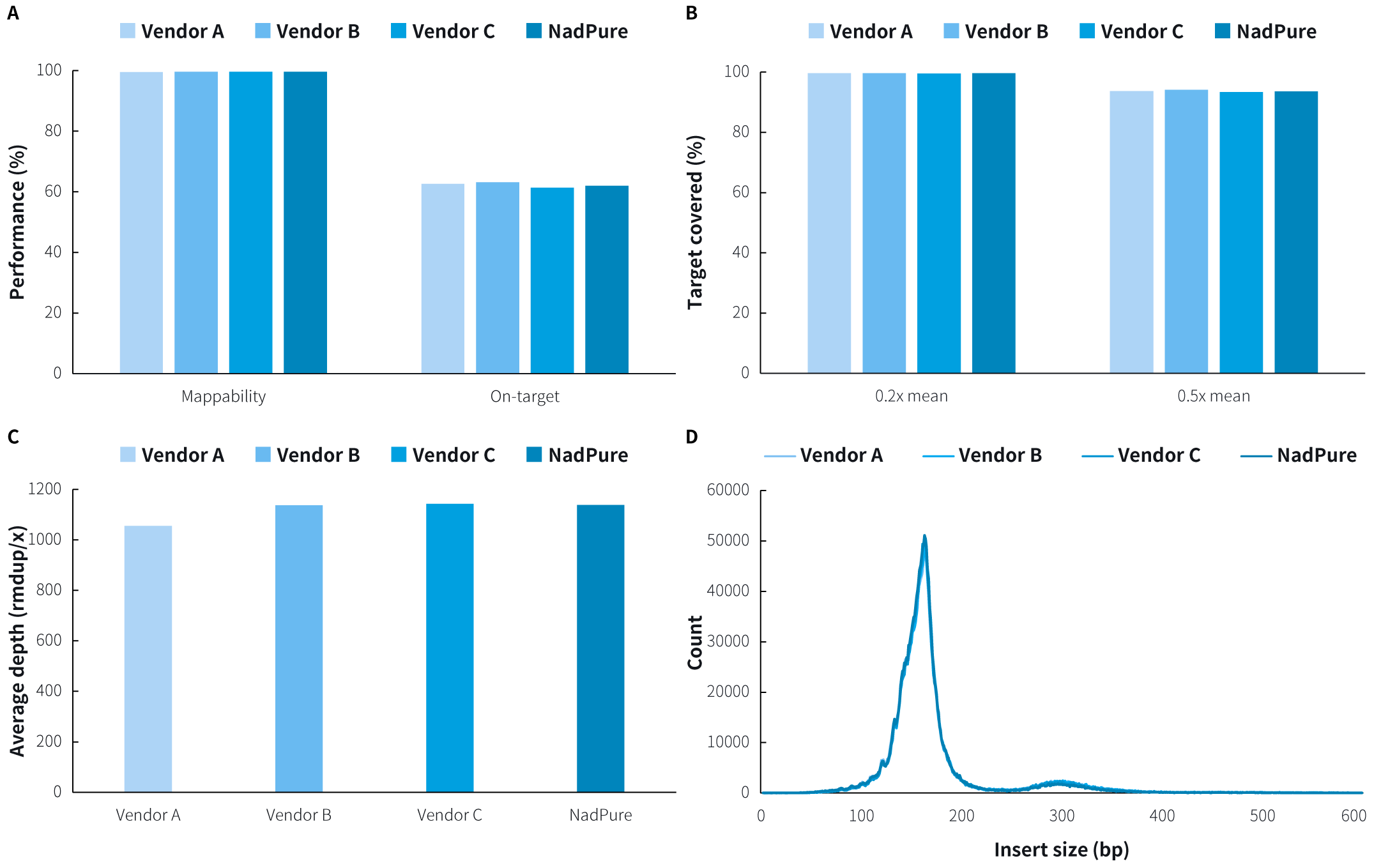
Performance
Broad Compatibility with Multiple Blood Collection Tubes
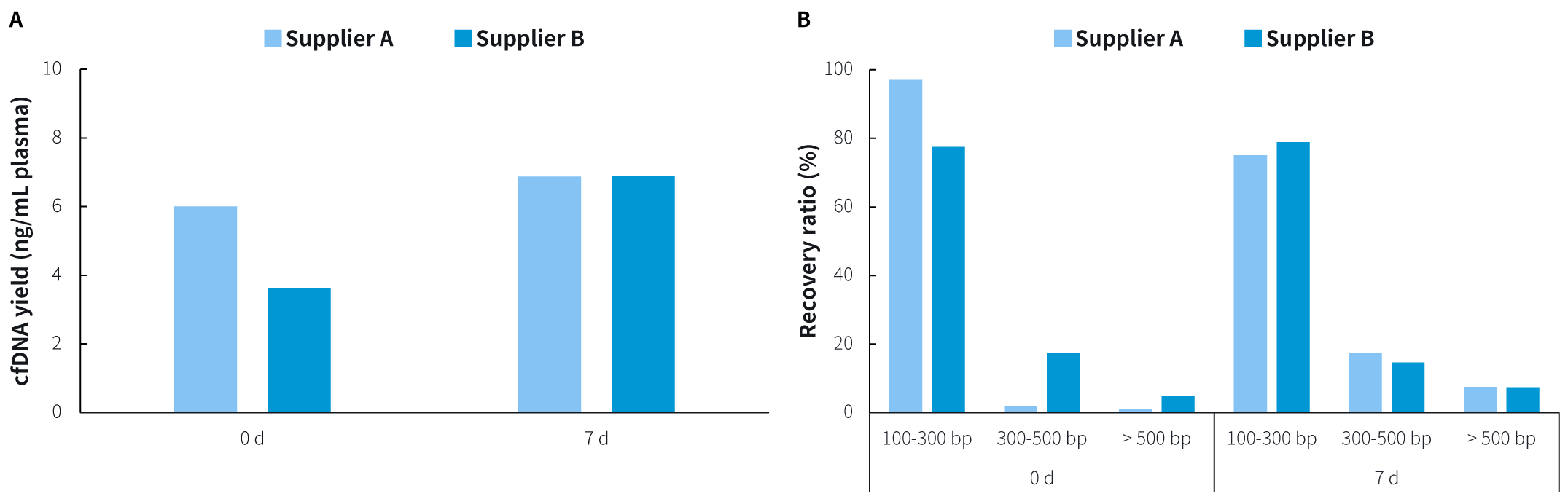
Figure 1. Performance of the NadPure Circulating DNA Kit for cfDNA extraction from the plasma collected in different blood collection tubes. A. cfDNA yield; B. Recovery ratios of DNA fragments of different lengths. Blood samples from healthy human donors were collected from using blood collection tubes from Supplier A and Supplier B. Plasma was separated by double centrifugation either immediately after collection (0 d) or after 7 days of storage at room temperature (7 d). Subsequently, 2 mL of each plasma sample was processed using the NadPure Circulating DNA Kit for cfDNA extraction. The cfDNA fragment distribution was analyzed using the Qsep100 (Bioptic).
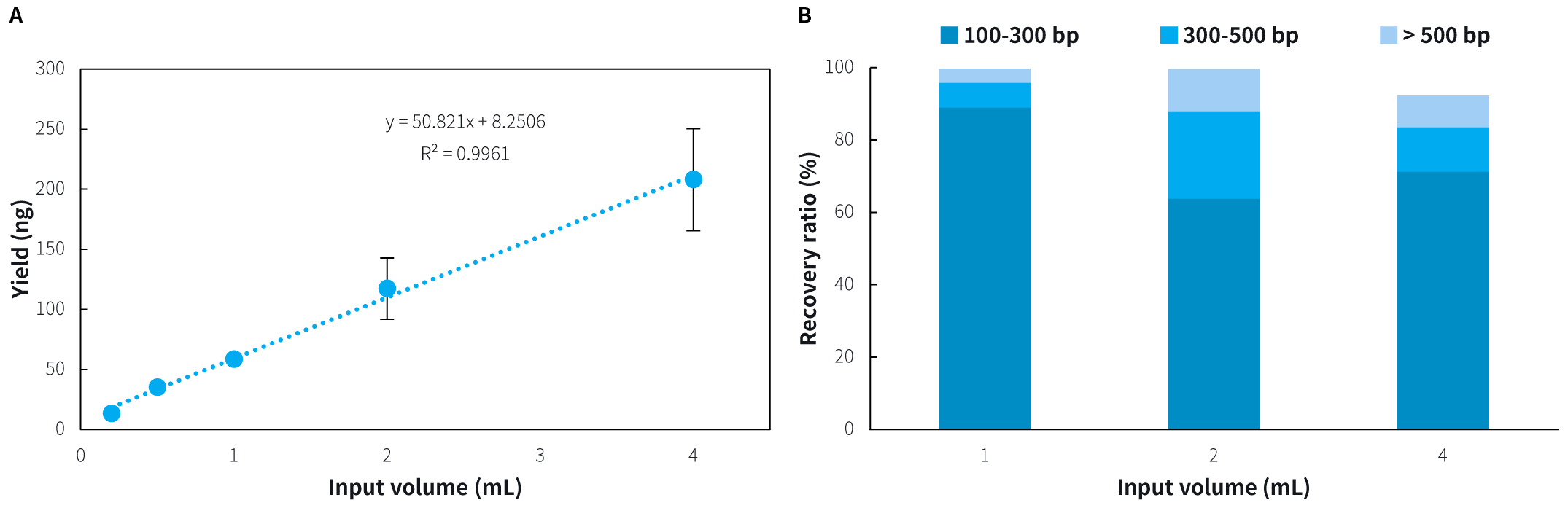
Flexible Compatibility Across Sample Input Volumes
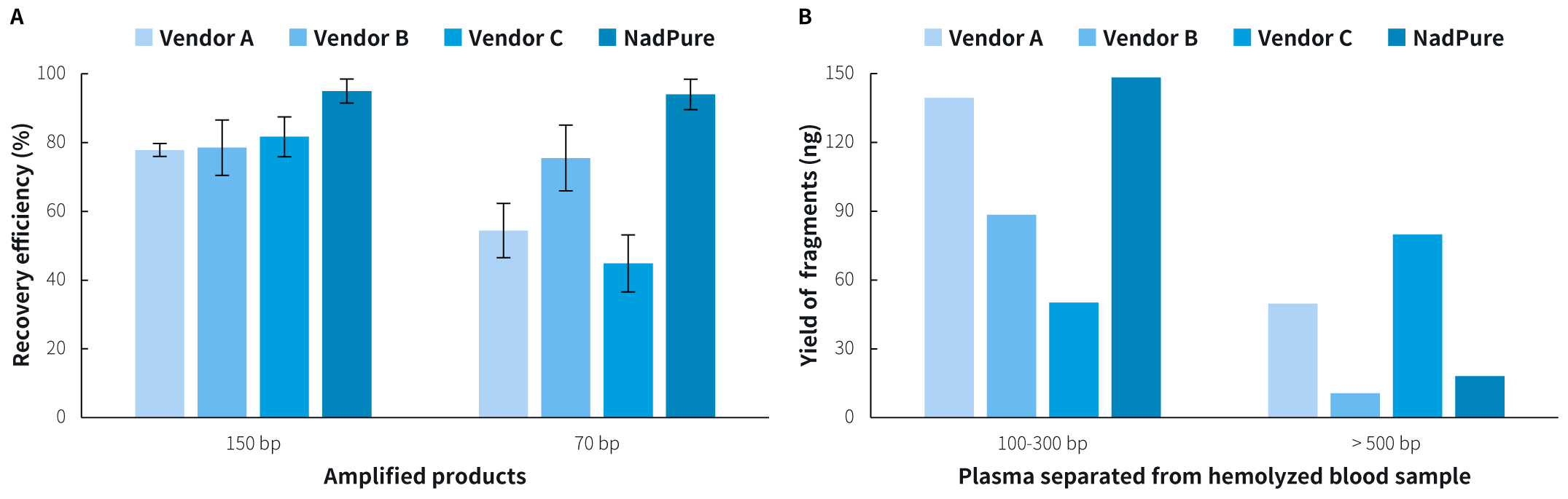
Precise Enrichment of Target Fragments with Reduced Large-Fragment Carryover
Consistent Performance Across Batches and Operators
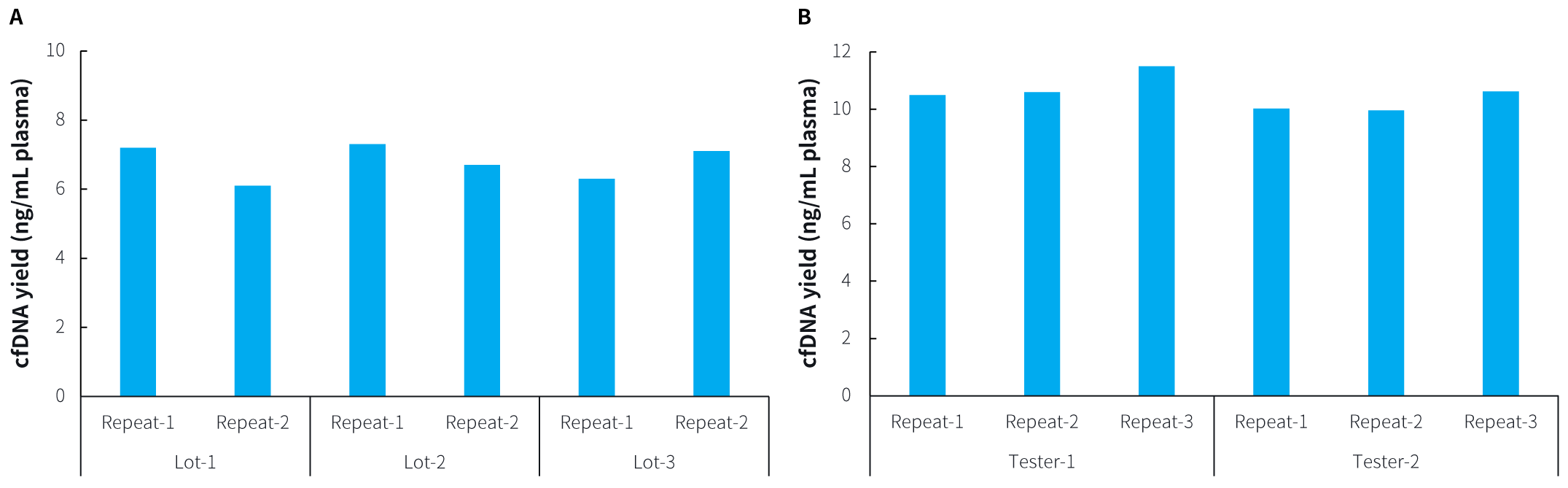
Figure 4. NadPure Circulating DNA Kit demonstrates consistent and reliable nucleic acid extraction performance with microbial reference materials. A. Different
reagent batches; B. Different operators.
High-Quality cfDNA for Diverse Downstream Applications
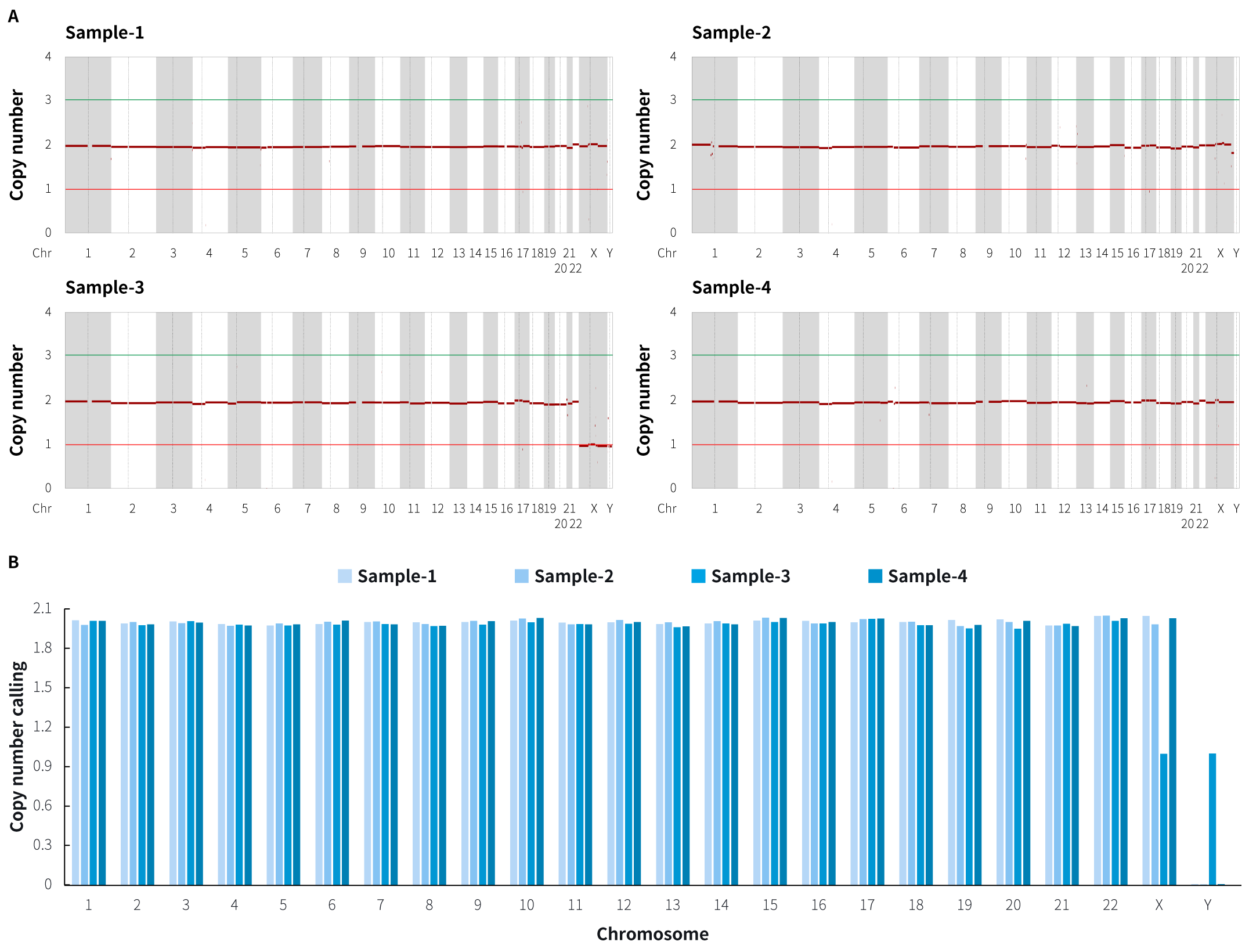
Figure 5. Application of NGS libraries prepared from cfDNA extracted using the NadPure Circulating DNA Kit in PGT-A analysis. A. Scatter plot of whole-chromosome copy; B. Per-chromosome copy number distribution. cfDNA was extracted from healthy human plasma samples using the NadPure Circulating DNA Kit. Library preparation was performed using the NadPrep DNA Library Preparation Kit v2. Libraries were sequenced on NovaSeq 6000 (PE150), generating approximately 1 Gb of raw data per sample. All the CNVs analysis was performed with SenS PGT-A in 100-kb bin sizes.
For research use only. Not for use in diagnostic procedures.
| Package | Color of Cap Tube | Component |
Volume 1010201 (1 mL×24 rxn) |
Volume 1010202 (1 mL×96 rxn) |
| Box1 |
/ |
cfDNA-Lysis/Binding Buffer | 40 mL | 145 mL |
|
/ |
cfDNA-Wash Buffer 1 | 20 mL | 75 mL | |
|
/ |
cfDNA-Wash Buffer 2 | 7.5 mL | 30 mL | |
|
/ |
Elution Buffer | 2.5 mL | 10 mL | |
| Box2 |
|
cfDNA-Magnetic Beads |
480 μL | 2×960 μL |
|
or / |
Proteinase K |
1,200 μL | 5 mL |
The presence of noticeable HMW gDNA fragments in the extracted product typically indicates contamination with cell-derived gDNA. Common causes and recommended solutions are as follows:
1) Delayed plasma separation: Prolonged storage of whole blood after collection may lead to blood cell disruption and the release of gDNA, increasing the amount of HMW gDNA in plasma. Select appropriate blood collection tubes and sample storage conditions, and separate plasma as soon as possible after blood collection.
2) Insufficient removal of residual cells and cell debris: Accidental aspiration the buffy coat layer or residual cells during plasma separation may increase gDNA contamination. Follow the recommended double-centrifugation pretreatment procedure to adequately remove residual cells and cellular debris, and avoid aspirating the buffy coat layer.
Extraction reproducibility and batch-to-batch consistency may be affected by factors such as the dispersion state of beads, sample loading uniformity, and magnetic separation efficiency. It is recommended to focus on the following aspects:
1) Uneven bead dispensing due to bead sedimentation: cfDNA-Magnetic Beads tend to settle over time. During continuous processing of multiple samples, this may result in inconsistent bead volumes dispensed across samples. Thoroughly mix the beads before dispensing. After every 4-5 consecutive dispensing operations, promptly resuspend the beads by vortexing or pipette mixing to maintain uniform bead dispersion.
2) Variations in magnetic separation efficiency: Magnet stand from different brands or models may differ in terms of magnetic field strength and distribution, which can affect bead capture and separation performance. The incubation time should be adjusted according to the actual performance of various magnet stands to ensure complete bead capture and a clearly defined supernatant.
NGS library yield depends not only on the actual cfDNA recovery but also on factors such as gDNA contamination in the extracted product and the effective cfDNA input amount. Particular attention should be paid to the following aspects:
1) Residual gDNA affects the effective cfDNA input: If the extracted product contains a high proportion of HMW gDNA, total nucleic acid quantification may overestimate the actual cfDNA content, resulting in insufficient effective cfDNA input for library preparation. Before library preparation, it is recommended to analyze the fragments using the Bioanalyzer® (Agilent) or Qsep100 (Bioptic) to assess actual cfDNA recovery, size distribution, and the extent of gDNA contamination.
2) Insufficient effective input for library preparation: When the proportion of gDNA in the extracted product is relatively high, assess the effective cfDNA content based on fragment analysis results and determine the actual cfDNA input amount and PCR amplification cycle number. This helps minimize low library yield caused by insufficient effective template input.
| Product | Catalog# |
| NadPure Circulating DNA Kit, 1 mL × 24 rxn | 1010201 |
| NadPure Circulating DNA Kit, 1 mL × 96 rxn | 1010202 |
For research use only. Not for use in diagnostic procedures.
Solutions
- Methyl Library Preparation Total Solution
- Sequencing single library on different platform--Universal Stubby Adapter (UDI)
- HRD score Analysis
- Unique Dual Index for MGI platforms
- RNA-Cap Sequencing of Human Respiratory Viruses Including SARS-CoV-2
- Total Solution for RNA-Cap Sequencing
- Total Solution for MGI Platforms
- Whole Exome Sequencing
- Low-frequency Mutation Analysis
Events
-
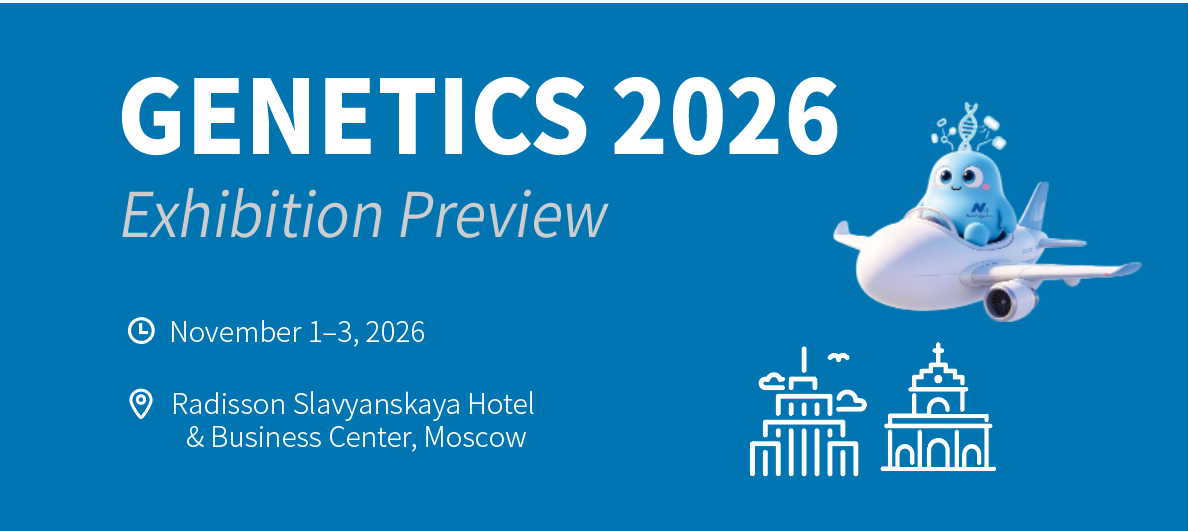
Overseas Exhibition Preview | Nanodigmbio Looks Forward to Meeting You at GENETICS 2026 in Moscow
-
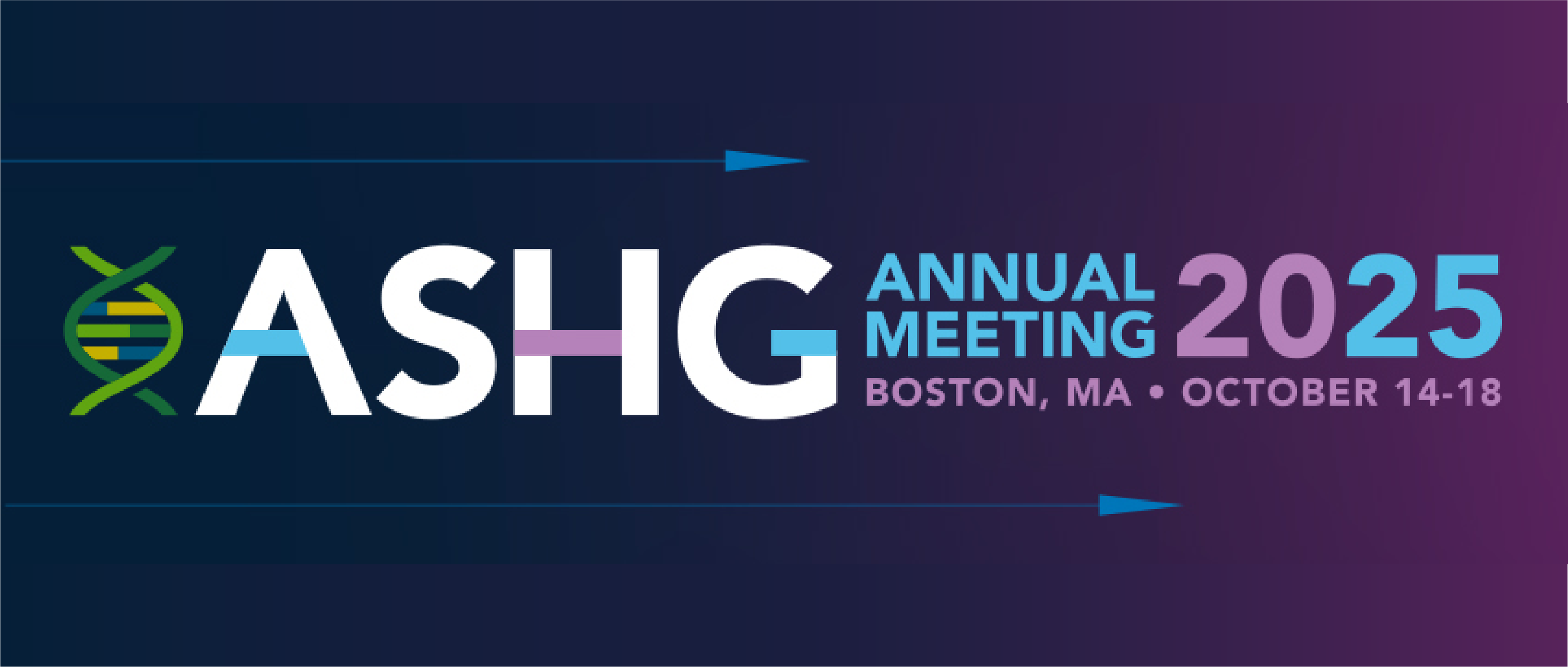
Exhibition Preview | Nanodigmbio invites you to join us at Boston 2025 Annual Meeting of the American Society of Human Genetics (ASHG)
-
Exhibition Preview | Nanodigmbio Invites You to Join Us at WHX & WHX Labs Kuala Lumpur 2025, Malaysia International Trade and Exhibition Centre in Kuala Lumpur

-
Exhibition Preview | Nanodigmbio Invites You to Join Us at Hospitalar 2025, Brazil International Medical Device Exhibition in São Paulo

-
Exhibition Preview | Nanodigmbio invites you to join us at Denver 2024 Annual Meeting of the American Society of Human Genetics (ASHG)

-
Exhibition Preview | Nanodigmbio invites you to join us at Sapporo 2024 Annual Meeting of the Japan Society of Human Genetics (JSHG)

Nanodigmbio will contact you within 1 day.
If there are any problems, please contact us by 400 8717 699 / support@njnad.com